Essential Steps for Securing Your German Driver’s License
Wiki Article
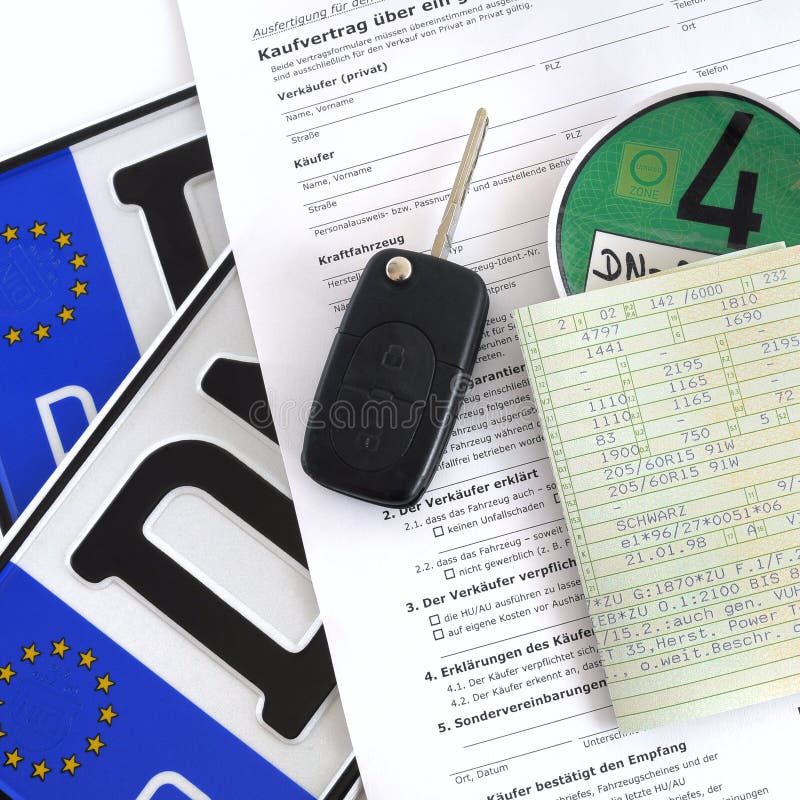
Obtaining a German driver’s license (copyright) is a vital step for anyone who wants to legally drive in Germany. Whether you're a resident, an expat, or an EU citizen moving to Germany, knowing the exact process can help you avoid delays and unnecessary expenses. Germany has strict regulations for road safety and licensing, so following the correct procedure is essential.
In this detailed guide, we outline the essential steps to get your German driver’s license, covering all types of applicants—from first-time drivers to foreign license holders converting their existing licenses.
Understanding the German Driver’s License System
The German copyright system is categorized by vehicle type and class, such as:
-
Class B – Standard car license
-
Class A – Motorcycles
-
Class C/D – Trucks and buses
-
Class BE, CE, etc. – Trailers and combinations
The most commonly sought license is Class B, allowing you to drive passenger vehicles up to 3.5 tonnes with up to 8 passengers.
Step 1: Determine Your Eligibility
To apply for a German driver’s license, you must:
-
Be at least 18 years old (17 with supervised driving)
-
Have a registered residence (Anmeldung) in Germany
-
Be physically and mentally fit to drive
-
Have valid ID or residency documents
-
Be able to understand basic German, as the tests are primarily in German (though other languages are available)
Step 2: Decide Between First-Time Application or License Exchange
First-Time Applicants (Beginners)
If you have never held a license before, you must:
-
Enroll in a Fahrschule (driving school)
-
Take theoretical and practical lessons
-
Pass both exams
License Exchange (Umschreibung)
If you already hold a valid foreign license, check if you can exchange it without full re-testing:
-
EU/EEA licenses: Easily exchangeable
-
Non-EU countries: Depends on bilateral agreements
-
Countries with agreements (e.g., USA, Canada, Australia): May only need a theoretical test
-
Others: Full testing (theory + practical) required
Step 3: Enroll in a Driving School (Fahrschule)
This is mandatory for new drivers. Choose a certified Fahrschule, and be prepared to complete:
-
Theoretical lessons: 12–14 sessions on traffic laws, driving behavior, and hazard awareness
-
Practical driving lessons: Number varies based on skill level
-
Special driving lessons: Night, autobahn, and rural roads
Costs vary but typically range between €1,500 to €2,500.
Step 4: Complete Mandatory Requirements
Before applying, you must also fulfill:
1. First Aid Course (Erste-Hilfe-Kurs)
A 1-day certified course on emergency procedures. Required for all first-time applicants.
2. Eye Test (Sehtest)
Conducted at any certified optician or test center. Must be recent (within 2 years).
3. Biometric copyright Photo
Standard format required for all copyright documentation.
Step 5: Submit Application to the Local Führerscheinstelle
Visit your local copyright authority (Führerscheinstelle) with the following:
-
Valid copyright or ID
-
Proof of residence (Anmeldung)
-
First aid certificate
-
Eye test certificate
-
Biometric photo
-
Fahrschule enrollment confirmation
-
Existing foreign license (if exchanging)
You may also need an official translation of your current license.
Step 6: Take the Theory Test
The theory test (Theorieprüfung) includes:
-
30 multiple-choice questions
-
Questions on traffic laws, signs, risk recognition, eco-driving
You are allowed a maximum of 10 mistake points. The test is offered in 12 languages, including English, Turkish, Russian, and French.
The fee for the theory test is approximately €23.
Step 7: Take the Practical Driving Test
The practical driving test (Praktische Prüfung) lasts around 45 minutes, during which you must:
-
Drive in urban and rural environments
-
Perform maneuvers (parking, reversing)
-
Navigate roundabouts and highways
-
Follow traffic laws precisely
The cost of the practical test is around €120, and the driving school may charge additional fees.
Step 8: Receive Your Driver’s License
After passing both tests, you’ll receive your official German driver’s license. In most cases, it will be issued within 2–4 weeks, though a temporary certificate can be issued upon request.
For license exchanges, if tests are not required, you’ll typically receive your new license in 4–6 weeks.
Special Case: Exchanging Non-EU Licenses
If you're from a non-EU country, here’s what you need to know:
Countries with Agreements (e.g., U.S. states, Canada, Australia)
-
Some jurisdictions have reciprocal agreements
-
May only need a theory test, or no test at all
-
Still need to submit documents and fees
Countries without Agreements
-
Full process required (driving school, theory, and practical exams)
Always check the current list of recognized countries/states on the Federal Motor Transport Authority (KBA) website.
Fees and Costs Breakdown
| Service | Estimated Cost (EUR) |
|---|---|
| Driving school package | €1,500–€2,500 |
| First aid course | €25–€40 |
| Eye test | €6–€10 |
| Application & issuance | €40–€60 |
| Theory test | €23 |
| Practical test | €120 |
| License translation (if needed) | €30–€60 |
Renewal and Validity
-
A German driver’s license is valid for 15 years
-
You must renew it before expiry, but no new test is required
-
For older paper licenses (pink or gray), conversion to the EU-format plastic card is mandatory by specified deadlines
Tips for a Smooth Application Process
-
Start early: The process can take several months
-
Learn some German: It helps with test preparation and interaction
-
Use official test-prep apps for theory exam practice
-
Choose a driving school with good reviews and flexible scheduling
-
Don’t skip any paperwork—even one missing document can delay the process
Conclusion
Securing your German driver’s license requires commitment, preparation, and an understanding of the detailed steps involved. Whether you're a new driver or an international resident seeking conversion, following the process correctly ensures you can drive legally and confidently in Germany. With one of Europe’s most respected road systems, your German license opens the door to safe and efficient travel throughout the EU.
Report this wiki page